Adlington Retirement Living reaches a major...
Adlington Retirement Living is celebrating a major milestone after completing the...

On a clear morning in Heaton Mersey, Sue likes to take her binoculars and stroll down towards the river. She stops to watch for bullfinches or sand martins and to exchange a few words with walkers along the path.
“I love to trundle around and go down to the river,” she says. “I take my bird book and my binoculars and a drink of water. People are really nice and talk to you when you’re going along.”
It is a simple pleasure that reflects something increasingly well supported by research: spending time outdoors has measurable benefits for both physical and mental health.
In recent years, researchers at the University of Liverpool have analysed large-scale data exploring the relationship between access to green space and mental well-being. Their findings suggest that people who live in greener areas report lower levels of mental distress and higher life satisfaction, even in places where people have fewer resources overall. The presence of nearby natural environments appears to act as a protective factor for mental health.
Evidence gathered through the Natural England ‘People and Nature Survey’ echoes this, consistently showing that adults who spend time outdoors report feeling happier, less anxious and more satisfied with life. For older adults, gentle outdoor activities such as walking or simply spending time in natural surroundings are associated with improved well-being.
There is also a physiological explanation. Exposure to daylight supports the body’s production of vitamin D, which plays an essential role in maintaining healthy bones and muscles. Low vitamin D levels are common in the UK, especially during autumn and winter, and deficiency has been linked to low mood and fatigue. Regular time outside, even in cooler months, can help maintain healthier levels. For many people, the benefit is as much emotional as it is biological.

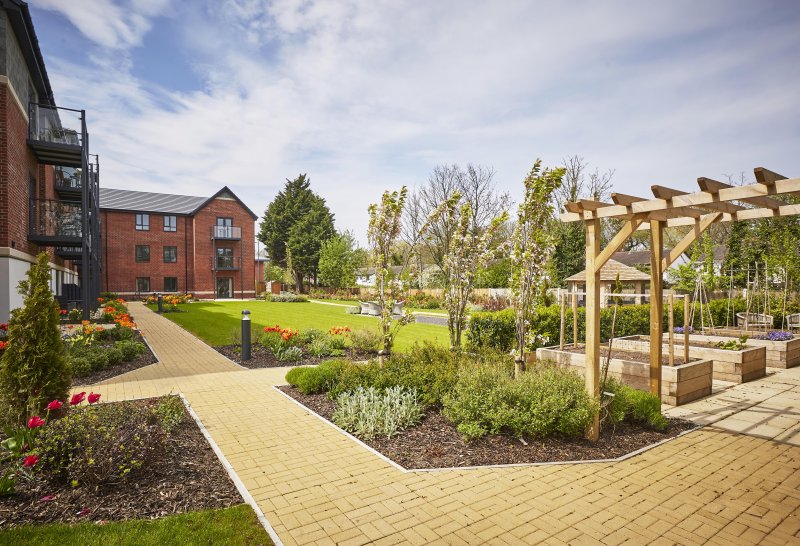
The gardens at the Sidings, Lytham
Walking remains one of the most accessible and sustainable forms of exercise. Guidance underpinning the UK Chief Medical Officers’ physical activity recommendations emphasises that regular moderate activity such as brisk walking supports cardiovascular health, muscle strength and balance, all of which are crucial for maintaining independence.
Organisations such as Age UK and Versus Arthritis highlight the role of low-impact activity in keeping joints mobile and reducing stiffness. Movement encourages circulation within the joints, helping to nourish cartilage and maintain flexibility.
Homeowners Margaret and Keith have long been enthusiastic walkers and head out daily.
“We do brisk walking. We’ve always done it,” Keith explains, describing their mile-and-a-half morning walks and occasional longer rambles when the weather allows.
Their distances are more modest than in years gone by, but consistency remains the key. Even small amounts of regular movement make a difference. Research behind the national guidelines shows that adults who remain active reduce their risk of heart disease, stroke and type 2 diabetes, while also supporting bone density and balance. Walking outdoors has the added advantage of feeling pleasurable rather than prescriptive.
For homeowner Pam and her partner Mike, regular walks revolve around Honey, their miniature Labradoodle. Pam shares:
“We take her for nice long walks and there are lots of good places for that around here.”
On a good day they might cover two or three miles, often stopping at a dog-friendly café along the way.

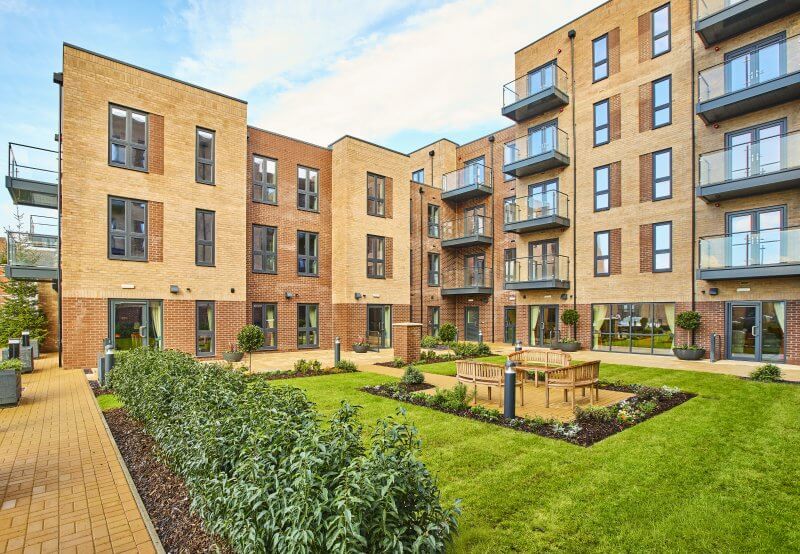
Pam, Mike and Honey the Dog sitting on a bench in the landscaped gardens at Heaton Mersey.
Dog walking brings with it an additional layer of social interaction. Studies have found that dog owners are more likely to meet neighbours and develop local connections, with pets acting as natural conversation starters.
Those brief exchanges matter. Social interaction has been shown to support cognitive health and reduce feelings of loneliness. Combining light physical activity with conversation and fresh air creates a powerful blend of benefits that reinforce one another. The walking is actually about more than exercise, it can create a wider sense of belonging.
This month is National Pet Month, and it’s no surprise there are benefits of interacting with a pet, even if it’s not your own.

Homeowners Dogs – Toby, Tinka & Olga, and Honey
The emerging evidence around ‘green social prescribing’, supported by NHS England, reflects a growing understanding that structured outdoor activities such as walking groups can improve well-being, physical activity levels and social connection.
Many of the benefits can come from ordinary habits as well as organised programmes. A regular riverside stroll, a circuit around the neighbourhood, a walk to meet friends for coffee, or choosing to sit outdoors for part of the day can all contribute to improved mood and physical resilience.
Homeowners across our communities have been getting their steps in too. Dr Trevor homeowner at The Sidings enjoys keeping fit:
“I do two laps of The Sidings in the morning and two laps in the afternoon. I think four laps is not much short of a mile so that’s the least that I do when I think about it.”
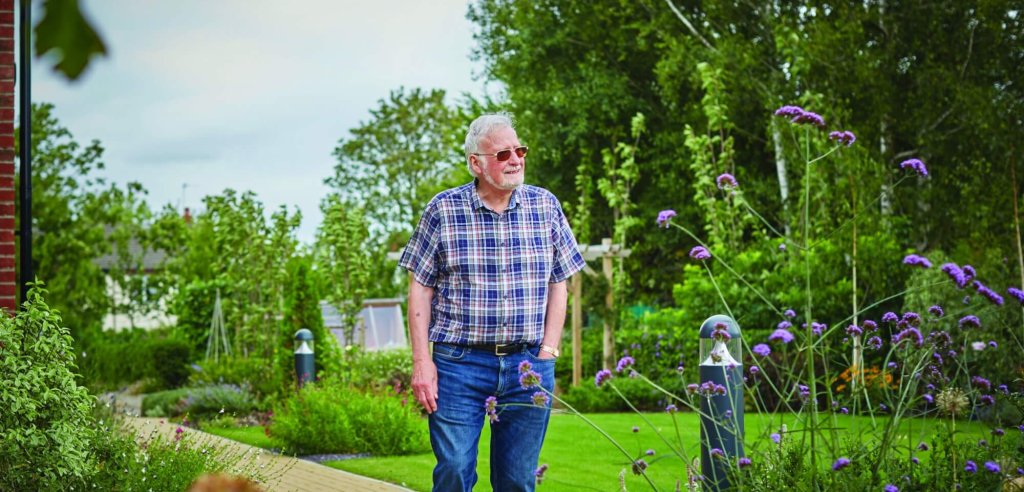
Dr Trevor enjoying the gardens at The Sidings, Lytham
Stepping outside each day provides light, movement, perspective and often companionship. It supports stronger bones through vitamin D, steadier joints through regular use, and brighter spirits through contact with the world beyond four walls. Opening the door, taking a familiar path and noticing the season changing can be a powerful investment in health.
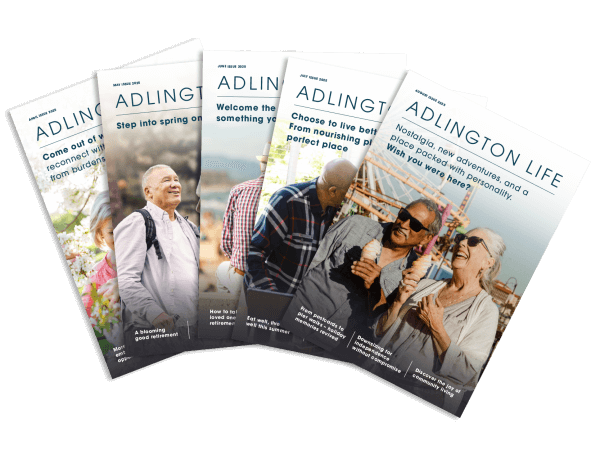
You can find more homeowner stories and inspiration like this in our free, bimonthly magazine, Adlington Life.